See-Through Fishing Line: Understated Answers for Successful Fishing
Clear angler's line has evolved into a crucial tool for countless fishermen attempting to boost their accomplishments on the water. Its capacity to integrate into different environments diminishes presence, permitting for a rather authentic lure display. This understated benefit can profoundly influence catch rates. However, the choice and upkeep of the suitable line demand meticulous thought. Grasping these details may be the answer to changing a angler's journey on the water. What considerations should be emphasized?
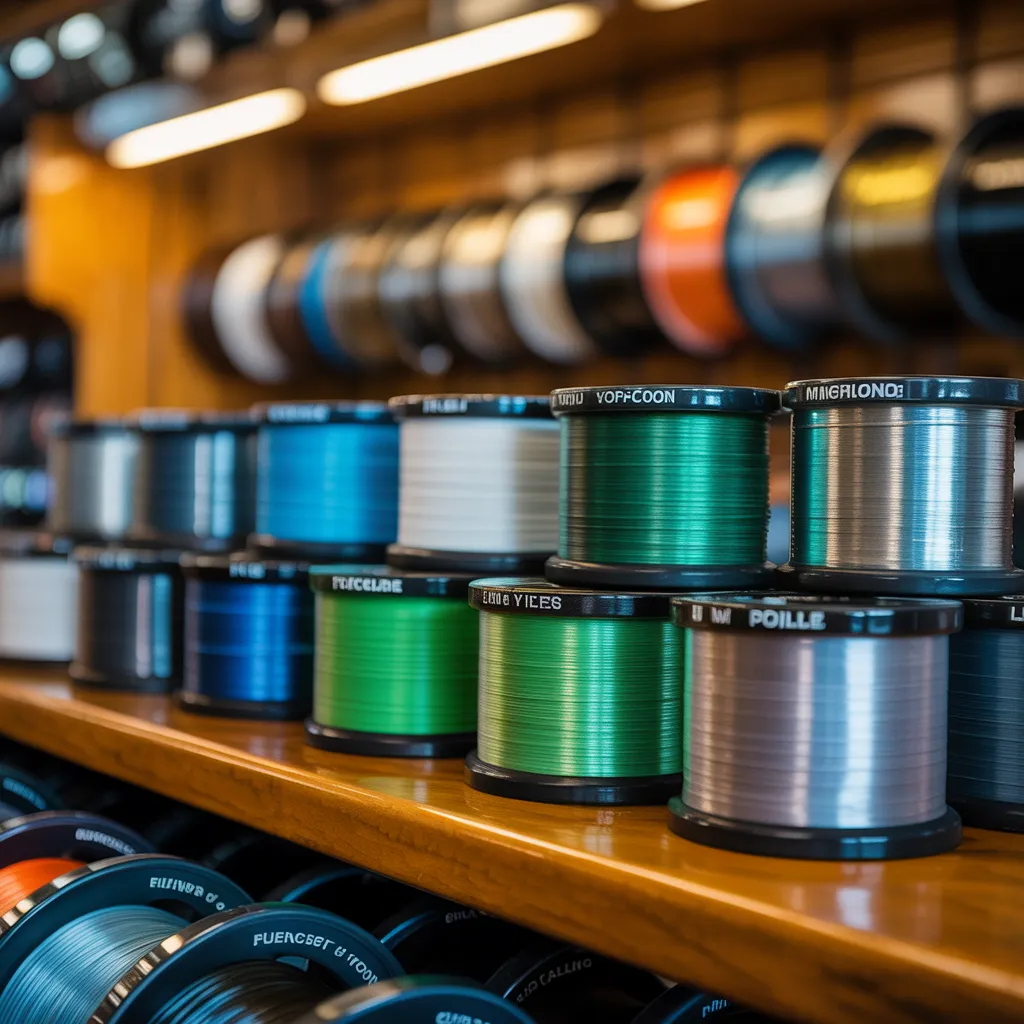
The Perks of Utilizing Transparent Fishing Line
When fishermen decide on transparent fishing line, they commonly experience advantages from its ability to remain undetected by fish. This characteristic increases the likelihood of achieving a successful catch, as fish are unlikely to be disturbed by visible lines. Transparent lines merge with multiple water environments, whether clear or murky, strengthening the angler's stealth. Furthermore, choosing transparent fishing line can bring about superior presentation of bait, permitting it to look more natural to fish.
Moreover, these threads are generally made from durable substances that resist abrasion, verifying they can withstand rough underwater environments. Their low visibility also contributes to better casting accuracy, as recreational fishermen can focus on execution without worrying about the line's visibility. Overall, the benefits of transparent fishing line present it as a beneficial alternative for those seeking a more effective and unobtrusive fishing endeavor.
How to Choose the Correct Clear Fishing Line?
How might an fisherman guarantee they opt for the ideal clear fishing line? First, they should reflect on the line's material—monofilament, fluorocarbon, or braid—each extending unique benefits. Monofilament provides resilience and ease of use, while fluorocarbon displays low visibility and abrasion resistance. Braid, while not clear, offers superior robustness and sensitivity.
An angler must evaluate the line's breaking strength, which should correspond to the species being pursued. A higher breaking strength is vital for larger fish, while lighter lines are ideal for smaller species. Additionally, the fishing location is important; transparent water may require thinner lines for stealth, while rugged conditions may require stronger, longer-lasting alternatives.
Finally, an angler should assess the line's thickness, knot strength, and overall flexibility. By considering these elements, anglers can confidently choose the transparent fishing line most appropriate for their particular fishing conditions and techniques.
Tips for Properly Loading and Caring for Your Line
Proper winding and upkeep of transparent fishing line is crucial for getting the best results and extending longevity. Anglers need to begin by ensuring their reel is clean and free from particles before spooling. Winding the line onto the reel in the correct direction, matching the reel’s rotation, is key to avoid twists. Keeping tension while spooling prevents loose coils that may cause tangles during use.
Regularly checking for wear and damage is vital for line strength. After each adventure, rinsing the line with clean water can help eliminate debris and residue, preserving its condition. Additionally, storing the line in a cool, dry place away from direct sunlight will prevent degradation. Replacing the line regularly, especially after heavy use, guarantees peak performance and reduces the chance of failure. By following these tips, anglers can enhance their time on the water and extend the lifespan of their transparent fishing line.
Monofilament compared to Fluorocarbon Angling Lines
In comparing monofilament and fluorocarbon fishing lines, two essential factors are evident: strength and durability, combined with visibility and camouflage effects. Monofilament provides increased stretch and resilience, whereas fluorocarbon offers outstanding underwater invisibility and abrasion resistance. Knowing these variations enables anglers pick the right line for their specific conditions.
Strength And Durability Comparison
Assessing the strength and durability of monofilament and fluorocarbon fishing lines uncovers distinct advantages for each variety. Monofilament lines are appreciated for their elasticity, providing excellent shock absorption during catches. This property improves their performance in varied fishing conditions but may increase their likelihood to abrasion. On the other hand, fluorocarbon lines are generally more firm and resistant to wear, making them well-suited for environments with sharp rocks or debris. They provide superior knot strength and have lower stretch, allowing for faster hook sets. While monofilament lines tend to cost less, fluorocarbon's resilience and invisibility underwater often justify the extra expense. Ultimately, selecting between the two depends on particular fishing scenarios and personal preferences.
Visual Presence and Camouflage Influences
The visibility and camouflage impacts of monofilament and fluorocarbon fishing line significantly affect angler success. Monofilament, usually colored and more visible in water, can deter cautious fish. Its floating ability often makes it easier for anglers to sense bites but may reduce stealth. In contrast, fluorocarbon lines are almost invisible in water due to their light refraction properties closely matching that of water. This trait enhances camouflage, making fluorocarbon a preferred choice in clear waters or when pursuing skittish fish. However, the compromise lies in its rigidity, which can impact lure presentation. Ultimately, anglers must consider these visibility factors to choose the right line for specific fishing conditions, enhancing their chances of read this article a successful fishing outcome.
Maximizing Achievement With Clear Fishing Line
Employing clear fishing line can markedly improve the fisherman's achievement on the water. This type of line furnishes a distinct benefit by limiting the visibility of the line to fish, allowing for more natural presentations of baits and lures. Anglers can leverage this quality to focus on skittish species that are prone to avoid brightly colored lines.
Moreover, translucent fishing line shines in various water conditions, blending seamlessly with both clear and murky environments. By practicing discreet methods, anglers can increase their chances of attracting fish without spooking them.
Furthermore, the line's toughness and resilience boost a fruitful fishing session, enabling anglers to withstand the challenges of heavy cover and resistant species. Overall, employing transparent fishing line allows for a more subtle approach, ultimately leading to higher catch rates and greater fulfillment during fishing outings.
Common Pitfalls When Using Transparent Fishing Line
Many anglers overlook essential factors during the use of transparent fishing line, leading to reduced effectiveness on the water. A common error is choosing the incorrect line strength for specific fishing conditions, which may cause line failure or reduced sensitivity. In addition, failure to adjust drag settings can result in lost catches as anglers may not properly take into account the line's low visibility.
Another common error is failing to inspect for line twists and knots, which can affect both performance and appearance. Anglers often underestimate the importance of correct knot tying; weak knots can readily unravel under pressure.
Additionally, deploying overly extended leaders can hinder casting accuracy and impact the lure's performance. Ultimately, many anglers overlook habitat conditions, including water clarity and solar intensity, which can greatly determine the line's effectiveness. Through circumventing these issues, anglers can enhance their fishing pursuits and improve their success metrics.
Real-Life Success Stories From Anglers Using Transparent Line
Success accounts flourish among fishermen who have effectively leveraged the benefits of clear fishing line. One such angler, John, documented notably increased catch rates after switching to a high-quality transparent line. He observed that the line's clarity enabled him to fish in heavily pressured waters where discretion was critical.
Similarly, Sarah, a competitive angler, shared her story of employing transparent line during a tournament. She credited her win to the stealthy nature of the line, which helped her land multiple trophy fish that others failed to catch.
In one more copyrightple, Mike, an avid fly fisherman, determined that using transparent line improved his presentations, causing more natural movements of his flies. Each of these anglers illustrated that transparent fishing line can enhance fishing success by decreasing visibility and enhancing stealth, ultimately producing more rewarding fishing experiences.
Frequently Asked Questions
Can Clear Fishing Line Be Utilized for Saltwater Fishing?
Transparent monofilament can indeed be used for saltwater angling. Its minimal visibility helps in avoiding detection by fish, making it a appropriate option. However, fishermen should verify it has adequate durability and resilience for saltwater environments.
What is the Average Longevity of Transparent Fishing Line?
Transparent fishing line generally remains usable between one to three years, based on factors like exposure to sunlight, water quality, and how often it's used. Regular inspection and correct storage methods can extend its lifespan considerably.
Can transparent angling line be utilized for all type of fish?
Clear fishing line is generally suitable for diverse fish species because of its low visibility. Yet, specific conditions and types of fish may require different line characteristics, making it essential to choose appropriately for desired fish.
What Is the Top Tie for Clear Fishing Line?
The Palomar knot stands as the most effective knot for transparent fishing line, celebrated for its strength and reliability. It offers a firm attachment, minimizing the risk of line breakage while keeping the line's hidden aesthetic during fishing.
Does Clear Fishing Line Need Specific Preservation Requirements?
Transparent angling line needs cold, moisture-free keeping away from sun exposure to prevent degradation. Keeping it in a safe case aids in maintain its integrity and functionality, ensuring optimal performance during fishing activities and prolonging its longevity.